




What are Hair Cuticles? How to Protect Our Hair Cuticles?
How to Safeguard Hair Cuticles?
The allure of hair greatly hinges on the well-being of hair cuticles. What exactly are these hair scales? It all begins with the hair's structure:
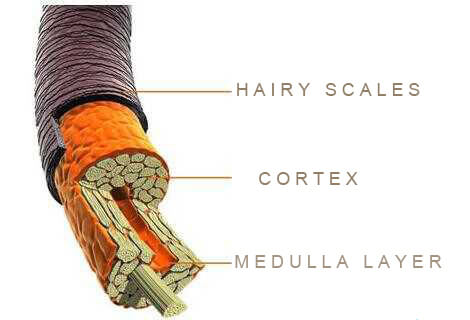
Hair cuticles are a fundamental component of each strand. Hair primarily consists of the epidermis, cortex, and medulla layers, with the epidermis comprising numerous tiny overlapping scales. These are known as hair cuticles, forming a protective layer.
The role of hair cuticles?
The fine scales along the hairline are meticulously aligned, enhancing light refraction and resulting in lustrous and gorgeous hair. However, inadequate protection, vigorous brushing, frequent blow-drying, or excessive shampooing, perming, and dyeing can harm the hair's epidermal layer, leading to a loss of shine.
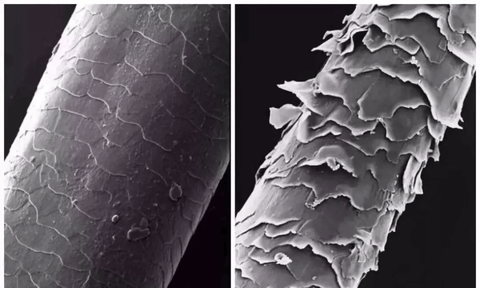
What happens to the damaged hair cuticles?
When hair cuticles experience damage, they might become raised or impaired, resulting in a loss of hair's natural shine and a rough texture to the touch. In instances where hair scales are shed, the underlying cortex becomes exposed, leading to both a coarse and lackluster appearance. As hair cuticles continue to erode, the cortex weakens and dries out, ultimately causing split ends to form.

Causes of hair scale damage
- Ultraviolet rays, especially intense ones, can disrupt the chain structure of hair's keratin, leading to its fragmentation and subsequent lifting and flaking of the hair cuticles.
- Brushing the hair in the opposite direction of its growth or combing it backward can also contribute to damage.
- Exposing damp hair to heat, whether from an electric curling iron or a hairdryer, can be detrimental to its health.
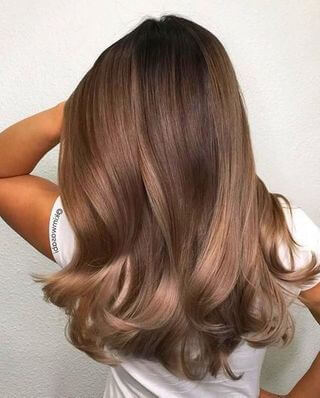
How to protect hair cuticles?
The proper hair washing procedure for safeguarding hair cuticles involves these steps: Prior to washing, ensure gentle combing of the hair. When hair is wet, avoid applying force. Use water at a temperature between 40°C to 45°C. Once hair is adequately damp, create shampoo foam in your hands and apply it to the hair. While shampooing, use your fingertips to massage the scalp. Lastly, thoroughly rinse off the shampoo.



Leave a comment
This site is protected by hCaptcha and the hCaptcha Privacy Policy and Terms of Service apply.